

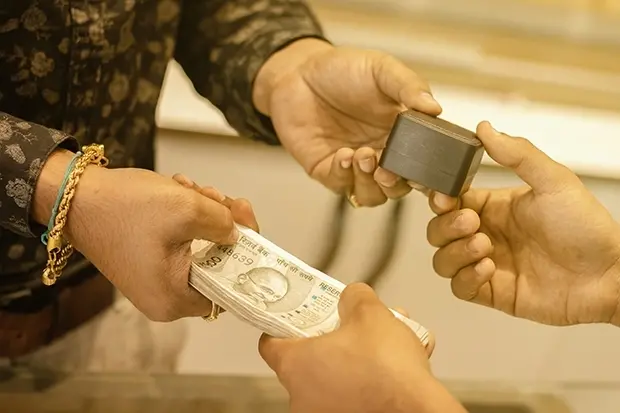
Indian Prime Minister Narendra Modi has publicly urged the nation's citizens to postpone gold purchases for up to one year, according to a report by the news platform News18. The appeal is part of a broader effort to ease pressure on India's foreign exchange reserves, which have been declining amid rising energy costs and global supply chain disruptions.
India is one of the world's largest consumers of gold, with annual demand typically ranging between 700 and 800 metric tons. However, domestic production accounts for only one to two tons per year, meaning that over 90% of the gold consumed must be imported. This heavy reliance on imports makes the precious metal a significant contributor to India's trade deficit.
Record Gold Imports Strain Reserves
In the fiscal year 2025/26, India's gold imports reached an all-time high of $72 billion, a 24% increase from the previous year. Gold now accounts for roughly 9% of the country's total imports, second only to crude oil. This surge has put considerable strain on the nation's foreign exchange reserves, which stood at $690.7 billion as of early May 2026, down $7.8 billion from the prior week.
Modi's call to avoid gold purchases comes alongside recommendations to limit unnecessary international travel and reduce consumption of petrol and diesel. The combination of these measures is intended to curb the outflow of foreign currency and stabilize the reserves.
Geopolitical Pressures Amplify the Challenge
The timing of Modi's appeal is closely tied to escalating geopolitical tensions, particularly the ongoing conflict in Eastern Europe and disruptions in global supply chains. Rising energy prices have further squeezed India's import bill, as the country is a major importer of crude oil. The compounded effect of higher oil and gold imports has accelerated the depletion of foreign exchange reserves.
Analysts note that India's reserves, while still substantial, have been declining at a worrying pace. The Reserve Bank of India has stepped in to manage volatility, but sustained pressure could erode the country's ability to buffer external shocks.
Cultural Significance of Gold in India
Gold holds deep cultural and religious significance in India. It is traditionally purchased during festivals such as Diwali and Akshaya Tritiya, and is a common gift at weddings and other celebrations. Many Indian households view gold as a safe store of value, especially in rural areas where formal banking is less prevalent. This cultural attachment makes Modi's appeal particularly challenging, as it goes against deeply ingrained habits.
Economists point out that the government's request is unlikely to drastically alter behavior in the short term, but could serve as a moral suasion campaign amplified by media and community leaders. Over time, a shift away from gold could help reduce the trade deficit and support the rupee.
Sharp Decline in Gold Imports Follows the Appeal
The initial response to Modi's call appears to be already visible in trade data. In January 2026, India imported nearly 100 metric tons of gold. By March, that figure had fallen to between 20 and 22 metric tons. For April, imports are expected to be only about 15 metric tons, one of the lowest monthly totals in nearly three decades, excluding the pandemic period.
While the decline may partially reflect seasonal factors and price sensitivity, the timing suggests that the government's message has resonated with importers and consumers alike. However, it remains to be seen whether the reduction is temporary or indicative of a longer-term trend.
Impact on Global Gold Market
India's reduced appetite for gold has implications beyond its borders. The country is a major driver of global gold demand, and a sustained drop in Indian purchases could weigh on international prices. In recent years, gold prices have been buoyed by central bank buying and geopolitical uncertainty, but softer demand from India could introduce headwinds.
On the other hand, some market participants view the current situation as an opportunity for India to monetize its massive gold holdings. The government has previously considered schemes to mobilize gold from households, such as gold deposit certificates and sovereign gold bonds, which could channel idle gold into the financial system.
Government Measures to Curb Gold Imports
Beyond moral suasion, the Indian government has historically used tariffs to discourage gold imports. Import duties on gold were raised in previous years to curb demand and protect the current account deficit. However, the current appeal by Modi suggests that more direct measures may be under consideration.
Some analysts propose that the government could introduce a temporary ban on gold imports or impose additional taxes. However, such drastic steps are unlikely given the political sensitivity and the risk of fueling a black market. Instead, the focus appears to be on voluntary compliance and awareness campaigns.
The Reserve Bank of India may also consider tightening liquidity conditions for gold imports, making it more expensive for banks and traders to bring the metal into the country. These measures, combined with the prime minister's call, could create a cumulative effect.
Comparison with Past Episodes
This is not the first time India has seen official calls to reduce gold consumption. During the balance of payments crisis in 1991, the government pledged gold to secure loans and later imposed strict import controls. More recently, in 2013, the government raised import duties and imposed a rule that 20% of imported gold must be exported as jewelry. Those measures eventually succeeded in curbing demand, though they also led to a rise in smuggling.
The current episode differs in that it is occurring against a backdrop of robust economic growth, high inflation, and geopolitical instability. The voluntary nature of the appeal may make it less effective than past regulatory actions, but it also avoids the economic distortions caused by outright bans.
Economic Outlook and Forex Resilience
India's foreign exchange reserves, though down recently, remain comfortable by historical standards. The country has built up a significant buffer since the 2013 taper tantrum, and the rupee has been relatively stable compared to other emerging market currencies. However, the pace of reserve depletion is a concern.
If gold imports continue to fall, as expected, the pressure on reserves could ease. Combined with lower oil prices and a recovery in exports, India's external position could improve in the coming months. The government is also exploring alternative sources of funding, such as increased foreign direct investment and multilateral loans.
Modi's appeal is a reminder that even for a large and growing economy like India, macroeconomic vulnerabilities persist. The reliance on imported gold and oil exposes the country to global price shocks, and structural reforms to boost domestic production and reduce consumption will be key to long-term resilience.
Meanwhile, households may find alternative investments appealing. Gold prices have risen significantly, and some investors are cashing in on their holdings. Sovereign gold bonds, which offer interest payments and are tax-free on capital gains, are gaining popularity as a substitute for physical gold.
The coming months will test whether Prime Minister Modi's personal appeal can shift a deeply rooted cultural preference. If successful, it could not only ease the immediate balance of payments pressure but also pave the way for a more sustainable approach to wealth preservation in India.
Source: www.fondsprofessionell.at News