

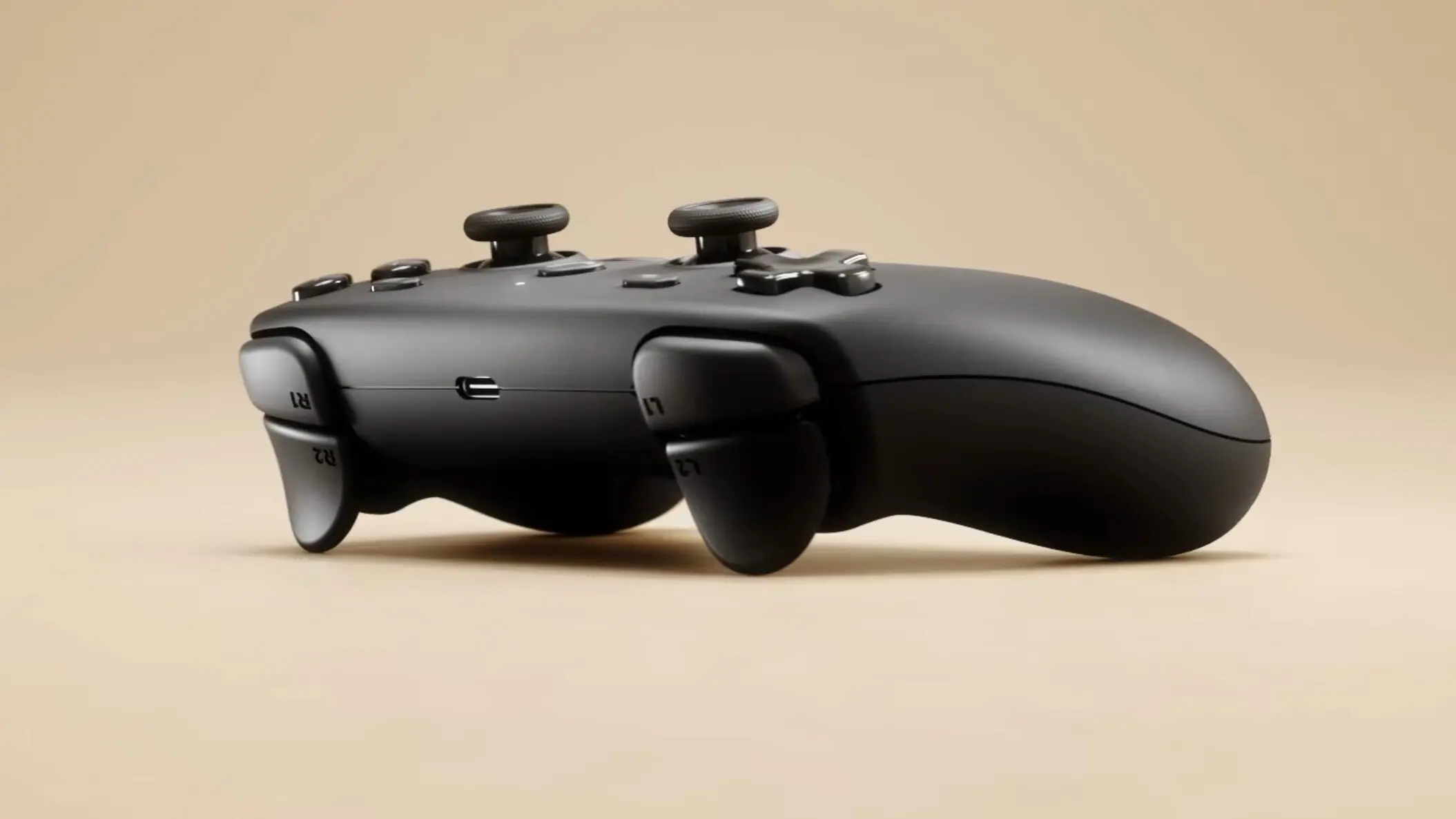
A recent Reddit post has drawn attention to a potentially hazardous interaction between consumer electronics: a Pixel Watch 4 metallic band and the Steam Controller charging puck. The user described how, while charging both devices side by side, the watch band accidentally contacted the puck's exposed metal pins, creating a short circuit that produced sizzling sounds and visible sparks. The user managed to separate the items quickly, preventing a fire, but both the puck and the band suffered cosmetic damage.
The Incident in Detail
The post, shared on a popular technology forum, explained that the user was charging their Pixel Watch 4 on a standard magnetic charger next to the Steam Controller Puck. The Puck, a small magnetic charger for Valve's gamepad, features exposed electrical contacts for charging. The watch's stainless steel band happened to touch these pins at an angle, completing an unintended circuit. Within moments, the metal began to heat up and sizzle. The user, alert to the smell and sound, immediately pulled the band away and unplugged the Puck.
Photographs included in the post show scorch marks on both the band and the Puck's surface. The user took full responsibility, acknowledging that they had placed the devices too close together without considering the risk. They also noted that they had not read the Steam Controller's user manual, which contains a clear warning about keeping metallic objects away from the charging puck to reduce the risk of sparks and injury.
Valve's Warning and Design Considerations
Valve's official manual for the Steam Controller includes the following caution: "Magnetic parts may attract metallic items. To reduce the potential risk of sparks and resulting property damage or possible injury, make sure that the wireless adapter and charging puck and Controller are free of metallic objects before connecting." Despite this, many users—and especially guests or family members—may not be aware of the hazard. The exposed pins on the Puck, necessary for charging, create a vulnerability when paired with magnetic attraction. Unlike some modern wireless chargers that require a handshake protocol before delivering power, the Puck appears to provide current as soon as a connection is detected, even if that connection is through a foreign metallic object.
Some commenters on the post argued that Valve could improve the design by implementing a communication protocol between the Puck and the Steam Controller before enabling power delivery. This would prevent energizing the pins until a verified device is present. However, such a change would require hardware revision and may not be retroactively applied to existing Pucks. Until then, users must rely on caution and awareness.
The Broader Issue of Magnetic Chargers and Metal Bands
The incident is not an isolated one. Magnetic chargers, common in smartwatches and other wearables, can attract stray metallic objects. Many smartwatch bands are made of metal—stainless steel, aluminum, or even magnetic metals like iron. When placed near a magnetic charging puck, these bands can be pulled into contact with exposed electrical contacts, creating a short circuit. The physics involved: the magnetic field draws the metal into the pins, which then conduct electricity. If the metal is a good conductor and the power supply is capable of delivering significant current (typical for USB chargers: 5V, up to 2A or more), the result can be rapid heating and arcing.
Lithium-ion battery fires are a known risk in electronics, but this scenario involves the charging adapter itself becoming a fire source. While the power draw is limited, a short circuit can melt plastic, ignite nearby flammable materials, or cause burns. The Reddit user was fortunate to catch it early.
Historical Context: Valve's Hardware Push
The Steam Controller was released alongside the Steam Machine and Steam Link as part of Valve's ambitious expansion into living room gaming hardware. The Controller itself features customizable trackpads, haptic feedback, and a unique ergonomic design. The accompanying charging Puck uses magnetic contacts to charge the controller's built-in battery, replacing a more conventional USB cable if desired. However, the Puck's design has drawn occasional criticism for its exposed pins and lack of safety features. In comparison, many modern wireless chargers, such as those for smartphones, use inductive charging without exposed contacts, eliminating the short-circuit risk entirely. Valve's choice of contact-based magnetic charging may have been driven by cost, durability, or backward compatibility considerations, but it introduces a trade-off in safety.
The incident also echoes past problems with other magnetic connectors. For example, Apple's MagSafe connector for MacBooks has been praised for its breakaway feature but has also been known to cause sparks if the contacts touch metal. Similarly, some smartwatch chargers have short-circuited when metallic debris got caught in the magnets. The growing popularity of smartwatches with metal bands makes this a timely warning.
User Reactions and Online Discussion
The Reddit thread quickly accumulated hundreds of comments, with many users expressing surprise that such a hazard existed. Several commenters admitted they had never read the manual for their Steam Controller, and others noted that they had placed the Puck near watches, keys, or coins without incident—but now realized the potential danger. A few users shared similar experiences: one reported that a spare coin slid across a desk and got stuck to their phone's magnetic car mount, creating a small short circuit. Another recalled a desktop power strip whose magnetic cradle caused a metal pen to arc.
Tech enthusiasts debated whether Valve should recall the Puck or offer a software update that could change power delivery behavior. However, since the Puck itself is a passive device with no microcontroller, any safety improvement would require a new hardware design. Valve has not publicly commented on this specific incident.
Practical Safety Tips for Users
To avoid similar mishaps, users should take several precautions. First, always read the manual for any charging accessory, especially those with exposed contacts. Second, keep metal objects—including watches, rings, keys, coins, and tools—away from magnetic charging surfaces. Third, consider using non-metallic smartwatch bands (silicone, fabric, or leather) when charging near metal-prone areas. Fourth, avoid charging multiple devices in close proximity if they use magnetic connectors. Finally, inspect charging pucks for damage or debris regularly.
For those who already own a Steam Controller and Puck, a simple fix is to place the Puck on a non-conductive surface away from clutter. Some users have added a layer of electrical tape over the pins when not in use, though this may interfere with charging. The most effective solution is to be mindful of the arrangement of devices on a desk or nightstand.
Future of Charging Technology
This incident underscores a broader point about product design and user safety. As more devices adopt magnetic charging—both with and without exposed contacts—manufacturers must balance convenience with safety. The trend toward wireless charging (using inductive coils) eliminates conductive pins but often requires precise alignment and may be slower. Contact-based magnetic chargers offer simplicity and lower cost, but they require careful consideration of electrical safety. In the case of the Steam Controller Puck, a simple interlock circuit could have prevented power from flowing until a specific load (the controller's battery) was detected. Such safety features are common in high-power devices but are less frequently implemented in low-power consumer gadgets.
The Pixel Watch 4 itself uses a standard inductive charger that does not have exposed pins, so the risk came entirely from the Puck's design. The combination of a metal watch band and a magnetic charging puck with exposed contacts created a perfect storm for a short circuit. While the incident ended without injury, it serves as a vivid reminder that even seemingly harmless everyday devices can interact in dangerous ways. As technology evolves, both consumers and manufacturers must continue to prioritize safety in product design and usage habits.
Source: Android Authority News