

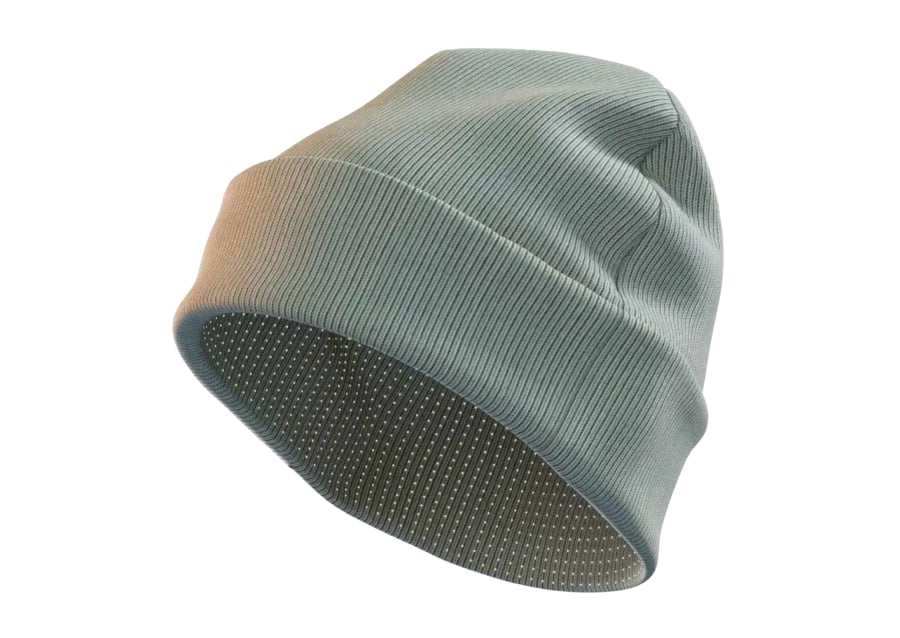
Your next keyboard could very well be a stylish beanie. A startup based in Silicon Valley, known as Sabi, has recently introduced a wearable device designed to read brain activity and convert thoughts directly into text. This innovative approach allows users to type without the need for vocalization or manual interaction with the device, marking a significant leap in the realm of human-computer interaction.
Sabi is pioneering a noninvasive brain-computer interface (BCI) that employs sensors embedded within the beanie to decode internal speech. This technology presents a compelling alternative to traditional surgically implanted devices, potentially expanding access and usability for a broader audience.
A Wearable Alternative to Implanted Brain Chips
According to industry reports, Sabi’s device utilizes electroencephalography (EEG) to capture electrical signals produced by the brain through the scalp. This noninvasive method circumvents the need for surgical procedures often associated with implant-based systems, making it easier for users to adopt the technology on a larger scale.
The beanie houses between 70,000 and 100,000 sensors, which significantly exceeds the number found in typical EEG devices. This design enhancement aims to improve the accuracy of signal reception, even amidst interference caused by surrounding bone and tissue. Initial projections suggest that Sabi’s system could achieve a translation rate of approximately 30 words per minute, with expectations for performance enhancements as users become more accustomed to the device.
Investor Vinod Khosla highlighted the immense potential of BCI technology, stating, “The biggest and baddest application of BCI is if you can talk to your computer by thinking about it.” This statement underscores the transformative possibilities that such innovations hold for everyday computing.
AI Models Trained on Brain Data
While the concept is groundbreaking, translating thoughts into actionable commands remains a complex technical challenge. Brain signals can vary significantly from person to person and are also subject to fluctuations based on factors like focus and fatigue, complicating consistent interpretation.
To tackle these challenges, Sabi is developing a “brain foundation model” that is trained using extensive neural data. Reports indicate that the company has gathered around 100,000 hours of brain recordings from a diverse group of volunteers to refine its system. Their official website outlines a systematic approach that integrates custom neuroimaging sensors, comprehensive brain data collection, and advanced AI models to effectively map brain signals to intended speech.
While the device is still undergoing development, it is anticipated that Sabi's brain-reading beanie could be available for consumers by the end of the year.
Privacy, Usability, and Adoption Challenges
Despite the promising technology, several hurdles remain for consumer adoption of brain-computer interfaces. Experts have pointed out that these systems must demonstrate reliability and offer a straightforward setup process.
“They’re going to have to be ready to go out of the box,” emphasized neurotech consultant JoJo Platt, reiterating the importance of user-friendly design.
Another significant concern revolves around privacy, as the data collected from neural activity is particularly sensitive. Any misuse of this data could lead to the exposure of deeply personal information. Addressing these privacy and usability issues will be crucial for the successful mainstream adoption of wearable brain-computer technology, which could pave the way for more intuitive, hands-free computing experiences.
In summary, Sabi's innovative wearable beanie could revolutionize how we interact with technology by making communication more seamless and intuitive. If the current challenges are effectively addressed, this device could represent a significant step forward in the evolution of personal computing.
Source: eWEEK News