

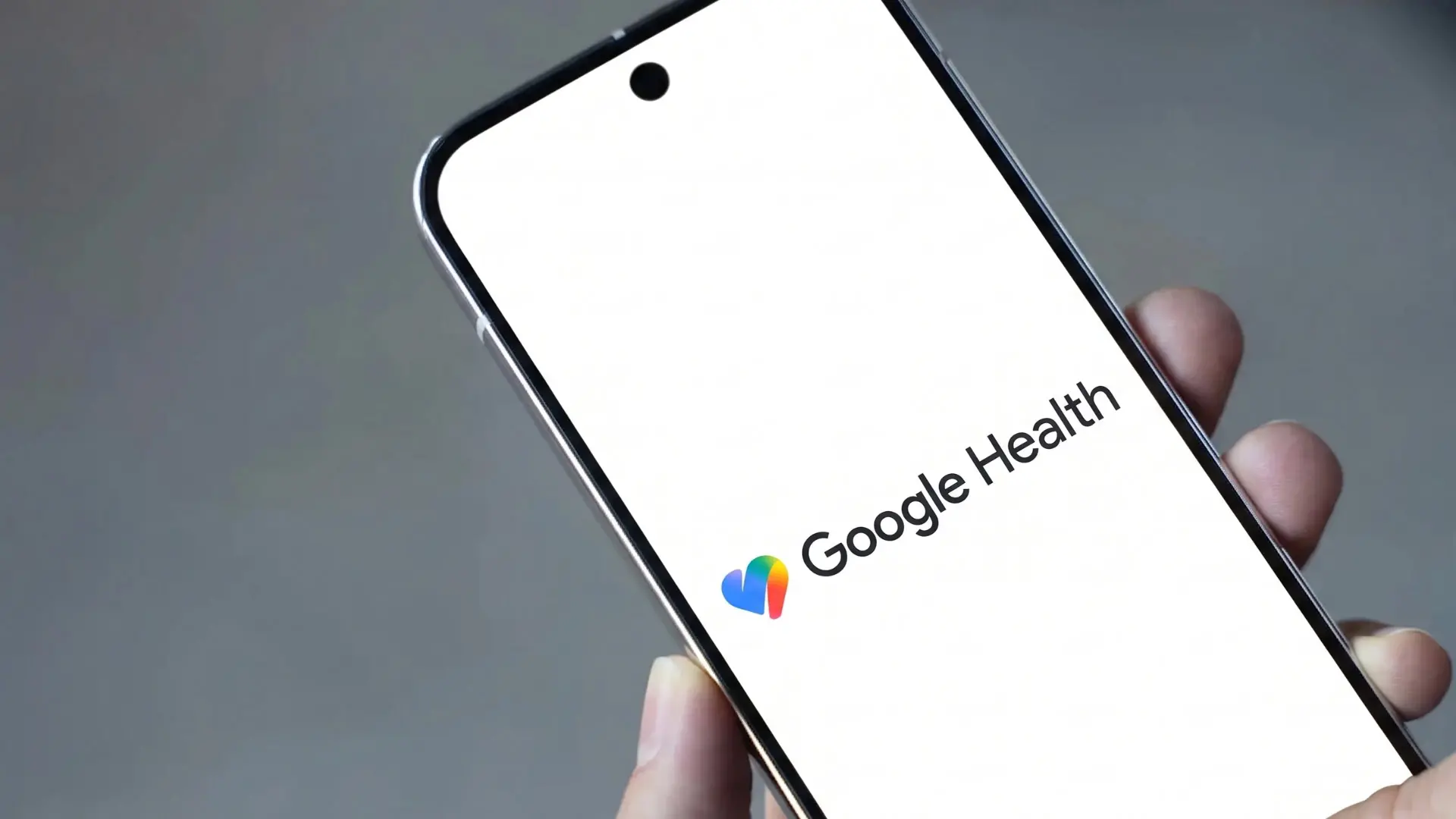
Google has taken another significant step in absorbing Fitbit into its own health ecosystem by officially transitioning the Fitbit Community page to the new Google Health Community platform. This change, which went live in recent days, marks the end of an era for longtime Fitbit users who have relied on the community for troubleshooting, device support, and sharing fitness tips. The redesigned forum now mirrors the look and feel of other Google community pages, such as the recently refreshed Google Home and Nest Community forums.
The transition has not been without controversy. Earlier this year, Google stated that the old Fitbit Community would remain available in a read-only state, allowing users to browse historical discussions even if they could no longer post or interact. However, that promise has not been kept. Older links to Fitbit Community discussions now redirect directly to the new Google Health Community homepage, with no straightforward way to access the archived content. This means that years of accumulated knowledge—troubleshooting threads, bug reports, device-specific tips, and user guides—are effectively lost to the average user.
A Brief History of Fitbit’s Community
Fitbit launched its community forum over a decade ago, shortly after the company introduced its first fitness tracker. The platform quickly became a vital resource for early adopters and loyal customers. Users shared workout routines, tracked progress, and helped each other troubleshoot issues like sync failures, battery drain, and inaccurate step counting. The community also served as an informal beta testing ground, where power users reported bugs and suggested features directly to Fitbit’s product teams.
When Google acquired Fitbit in 2021 for $2.1 billion, many users expressed concern about the future of the brand’s independent identity. Google had a history of acquiring hardware companies and either discontinuing their products or slowly integrating them into its own services. The acquisition of Nest, for instance, led to the eventual merger of the Nest Community into Google’s broader support forums. Fitbit users feared a similar fate, and those fears are now being realized with each passing month.
In 2023, Google began requiring Fitbit users to sign in with a Google account, a move that sparked widespread backlash. The mandatory migration erased years of anonymized activity and forced users to merge their Fitbit data with their Google identity. This was followed by the discontinuation of Fitbit’s longstanding social features, such as Challenges and Adventures, in March 2023. The removal of the Fitbit Community forum is the latest in a series of steps that have systematically dismantled the community-driven aspects of the platform.
What the New Google Health Community Offers
The newly launched Google Health Community is designed to bring together discussions from across Google’s health-related products. The forum now includes dedicated sections for the Google Health app, the recently announced Google Fitbit Air (a new fitness tracking platform), and existing Fitbit devices such as the Sense and Versa smartwatches, as well as the Inspire and Ace fitness trackers. The unified design aims to create a seamless experience for users who own multiple Google health devices.
However, the transition has caused confusion for existing Fitbit users. Many have reported that their old posts and threads are no longer visible, even when they log in with the same account. Google has not provided a direct way to search for archived discussions, and the new forum’s search functionality only returns results from the new platform. This creates a significant gap in institutional knowledge—users who encountered a specific problem before the transition can no longer find the solution that was posted years ago.
For example, a common issue with the Fitbit Versa 3 smartwatch involved the device failing to sync with the Fitbit app after firmware updates. The original community forum contained dozens of troubleshooting threads with step-by-step solutions, ranging from re-pairing the device to performing hard resets. Those threads are now inaccessible without direct links, and even then, the redirection leads to a blank page on the new platform. Users who encounter the same problem today will have to start from scratch, posting a new question in the hopes that someone else has the answer.
Why Google’s Approach Has Frustrated Longtime Users
The move has reignited criticism of Google’s strategy with Fitbit. When Google initially announced the acquisition, it emphasized that Fitbit would retain a degree of autonomy and that user data would not be used for advertising purposes. Over time, however, Google has steadily eroded Fitbit’s unique features and community identity. The replacement of the Fitbit Community is seen by many as a symbolic death knell for the brand.
Longtime users point out that the Fitbit Community was not just a support forum—it was a social network in its own right. Users formed friendships through challenges, shared motivational stories, and participated in group fitness goals. The transition to Google Health Community has stripped away much of that social dynamics in favor of a more utilitarian support structure. The new platform lacks the personality and camaraderie that made the original community special.
From a technical standpoint, the loss of archived discussions also represents a significant loss of troubleshooting data. Fitbit products have been on the market for over a decade, and the community forum contained thousands of solutions to hardware and software issues that are no longer supported by official channels. Google’s own customer support pages often redirected users to the Fitbit Community for advanced troubleshooting. Without that resource, customers are left with fewer options when encountering problems with older devices.
Google has not publicly addressed the discrepancy between its earlier promise of read-only access and the current redirection of links. It is possible that the company intends to eventually provide a searchable archive, but as of now, no such feature exists. The silence from Google on this issue has frustrated users who feel that the company is disregarding the community that helped build the Fitbit brand.
Comparison to Other Google Acquisition Integrations
The treatment of Fitbit’s community mirrors the approach Google took with other acquisitions, such as Nest and Waze. The Nest Community was eventually merged into the Google Nest Help Forum, but Google preserved a read-only archive of older posts for several years. Similarly, when Google acquired Waze in 2013, it allowed the Waze community to continue operating independently for many years before slowly integrating features into Google Maps. Fitbit’s integration, by contrast, has been more aggressive, forcing users to adopt Google accounts and abandon traditional community features within a shorter timeframe.
Industry analysts suggest that Google’s accelerated integration may be driven by the need to establish a unified health ecosystem ahead of potential competition from Apple and Samsung. Apple’s Health app and Samsung Health have been steadily improving, and Google’s multi-billion dollar acquisition of Fitbit was intended to boost its own health offerings. However, erasing the community that made Fitbit desirable could backfire, alienating the very user base that Google needs to retain.
Alternative devices from companies like Garmin and Whoop have maintained strong community forums, often users compare the experiences. For example, Garmin’s forums continue to operate independently, with separate sections for each device and active participation from company representatives. Whoop offers a private community for members with verified accounts. If Fitbit users feel underserved by the new Google Health Community, they may consider switching to competitors that value community input.
Looking Ahead: What Users Can Do
For now, users who wish to access old Fitbit Community content have limited options. Some users have attempted to use the Wayback Machine (archive.org) to retrieve snapshots of popular threads. While this is not a perfect solution—many threads are not fully archived—it can help recover specific discussions that were widely linked. Additionally, some third-party websites and blogs have archived key troubleshooting guides from the Fitbit Community, but coverage is patchy.
Users can also try directly contacting Google Support to request access to specific posts, though this process is cumbersome and often unsuccessful. A more practical approach is to rely on internal knowledge from other users who may have saved copies of important threads. However, this is not a sustainable long-term solution.
Google has not indicated any plans to restore access to the old discussions, nor has it provided a timeline for when or if the archive will be made available. The company’s focus appears to be squarely on building out the Google Health Community as the central hub for all health-related discussions. Whether that platform will be able to replicate the depth and warmth of the Fitbit Community remains to be seen.
In the meantime, existing Fitbit users are advised to export their personal data from the Fitbit app and save any meaningful forum posts they may have created. As Google continues to retire legacy Fitbit services, the window for preserving historical context is closing. The transition of the Fitbit Community to Google Health Community is a clear signal that the Fitbit brand, as it was once known, is fading into history.
This change is part of a broader trend in tech acquisitions where the acquired company's unique cultural and community elements are gradually erased in favor of standardization. While standardization can improve efficiency and reduce support costs, it often comes at the expense of user loyalty. Google’s challenge now is to prove that the Google Health Community can offer the same level of support, camaraderie, and depth that made the Fitbit Community a beloved resource for millions.
Only time will tell if the new platform can fill the void left by the old one, but for now, a significant chapter in the history of wearable technology has silently closed.
Source: Android Authority News