

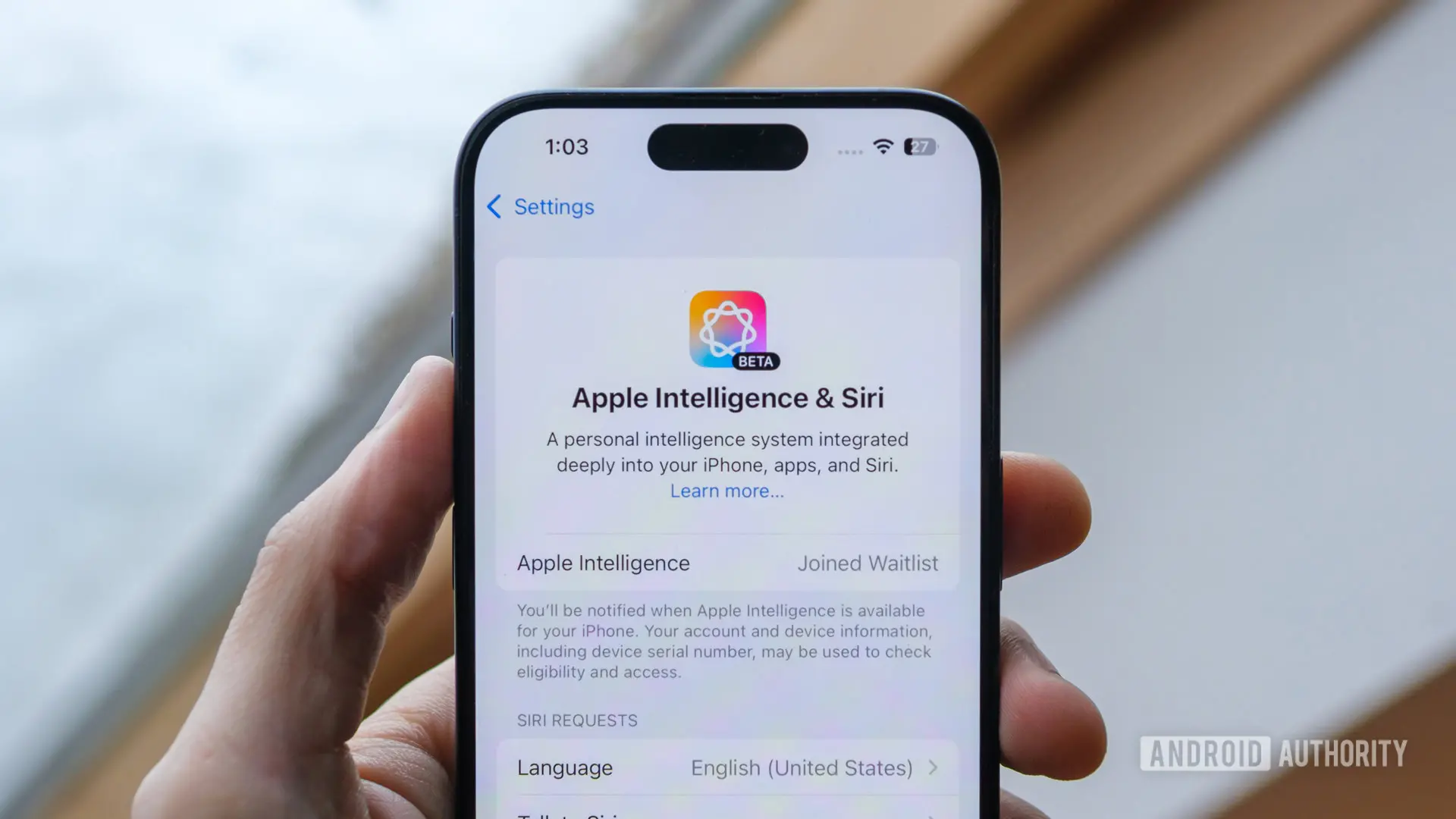
Apple is gearing up for one of its most significant software overhauls in years with iOS 27, expected to be unveiled at WWDC 2026 in early June. The update places artificial intelligence at the center, promising a radically transformed Siri, deeper integration with Google’s Gemini AI, and a suite of new tools that aim to close the gap with competitors like Samsung and Google.
The New Siri: From Glowing Edges to Dynamic Island
Perhaps the most visible change is the complete redesign of Siri’s interface. Currently, activating Siri fills the screen with a glowing orb or edge lighting. In iOS 27, Apple is reportedly moving Siri into the Dynamic Island, the pill-shaped cutout introduced with the iPhone 14 Pro. When invoked, Siri will now pop out from the island, providing a more integrated and less intrusive experience. This design choice aligns with Apple’s philosophy of maximizing screen real estate while keeping key functions accessible.
Alongside the visual revamp, a new gesture will allow users to swipe down from the top center of the screen to open a type-based Siri interface. This interface will display contextual suggestions, including frequently used apps, contacts, and shortcuts, effectively merging the current Siri Suggestions with a full keyboard input. This makes Siri more versatile for users who prefer typing over voice commands.
Siri Chatbot App and Third-Party Agents
Bloomberg reports that iOS 27 will introduce a dedicated Siri chatbot app. This app will display responses as rich text cards, which can be opened with a swipe-down gesture for follow-up questions. This persistent app will keep conversation history, allowing for more natural, ongoing interactions.
More notably, Apple is opening Siri to third-party AI agents. A new button within the Siri interface will let users switch between different AI agents installed on the device. This means users could jump from Apple’s own Siri to Google’s Gemini, OpenAI’s ChatGPT, or other services, all without leaving the app. This interoperability could make iOS the most flexible AI platform, though it also raises questions about privacy and data sharing.
On-Device Understanding: Finally Contextual
A long-standing criticism of Siri has been its inability to understand on-device content. iOS 27 promises to change that. Siri will now be able to scan your calendar for free time slots, extract information from messages, and use data from notes and emails to answer questions. For example, you can ask, "What time is my dentist appointment next Tuesday?" and Siri will retrieve it from your calendar. This level of integration requires on-device processing to maintain privacy, which Apple is emphasizing.
Camera App Gets AI Injection
The camera app, already a strength of the iPhone, is receiving several AI-driven upgrades. Siri will be integrated as a dedicated mode, replacing the current Visual Intelligence tool accessed via the Camera Control button. This means you can point your camera at a landmark, menu, or plant, and Siri will identify it using the new AI pipeline. The integration is smoother and leverages Gemini’s visual recognition capabilities.
Additionally, the camera interface becomes more customizable. Users can rearrange, add, or remove shortcuts from the top row, similar to what some Android manufacturers offer. This allows photographers to prioritize their most-used controls, such as exposure compensation, grid lines, or night mode.
New Apple Intelligence Features in Photos and Shortcuts
Apple Intelligence, the company’s overarching AI brand, is getting new capabilities. The Photos app will introduce Reframe and Extend tools. Reframe lets users change the perspective of a photo after capture, effectively re-cropping and adjusting the field of view using AI to fill in missing details. Extend goes further, allowing users to expand an image beyond its original borders, with AI generating plausible content for the new areas—a feature reminiscent of Google’s Magic Editor.
The Shortcuts app, already powerful for automation, becomes more accessible with natural language creation. Instead of dragging actions, users can type or speak a command like "Every morning at 7 AM, turn off Wi-Fi and open the News app." Shortcuts will interpret this and build the automation. This lowers the barrier for users who find the current interface intimidating.
Grammar Checker, AI Wallpapers, and Image Playground
iOS 27 will include a built-in grammar checking tool, similar to what MacOS has offered but now on iPhone. This tool works system-wide, highlighting errors in any text field, whether in Mail, Notes, or third-party apps. It’s a small but welcome addition for power users.
Apple is also adding AI-generated wallpapers, letting users describe a scene (e.g., "a futuristic city at sunset") and having the system create a unique wallpaper. The Image Playground app, introduced in earlier versions, is getting a revamp with more creative options, including style transfers and AI-generated stickers.
Background: Apple’s AI Strategy and the Gemini Partnership
Apple’s partnership with Google to integrate Gemini into iOS is a strategic pivot. Historically, Apple has been cautious about AI, emphasizing on-device processing and privacy. However, the rapid advances from OpenAI, Google, and others forced a change. By licensing Gemini, Apple can offer state-of-the-art AI without building its own large language model from scratch—though rumors suggest Apple is developing its own models for future versions.
The integration in iOS 27 marks the first major collaboration between the two tech giants on the consumer AI front. It’s a gamble: Apple risks appearing dependent on a rival, but it also buys time to refine its own technology. For users, the benefit is immediate access to powerful AI tools without switching ecosystems.
WWDC 2026: What to Expect
WWDC 2026 kicks off on June 8 with a keynote focused on software. Alongside iOS 27, Apple is expected to preview macOS 16, watchOS 12, and tvOS 20. The Siri revamp will likely be the headline feature, but developers will be keen on the new APIs for third-party AI agents. Apple is also expected to announce expanded support for device-side machine learning, including new Core ML models optimized for the A19 and M5 chips expected in upcoming hardware.
With iOS 27, Apple aims to prove it can compete in the AI arms race without compromising its core values of privacy and user experience. The update is shaping up to be the most feature-rich in years, and iPhone users have much to look forward to.
Source: Android Authority News