

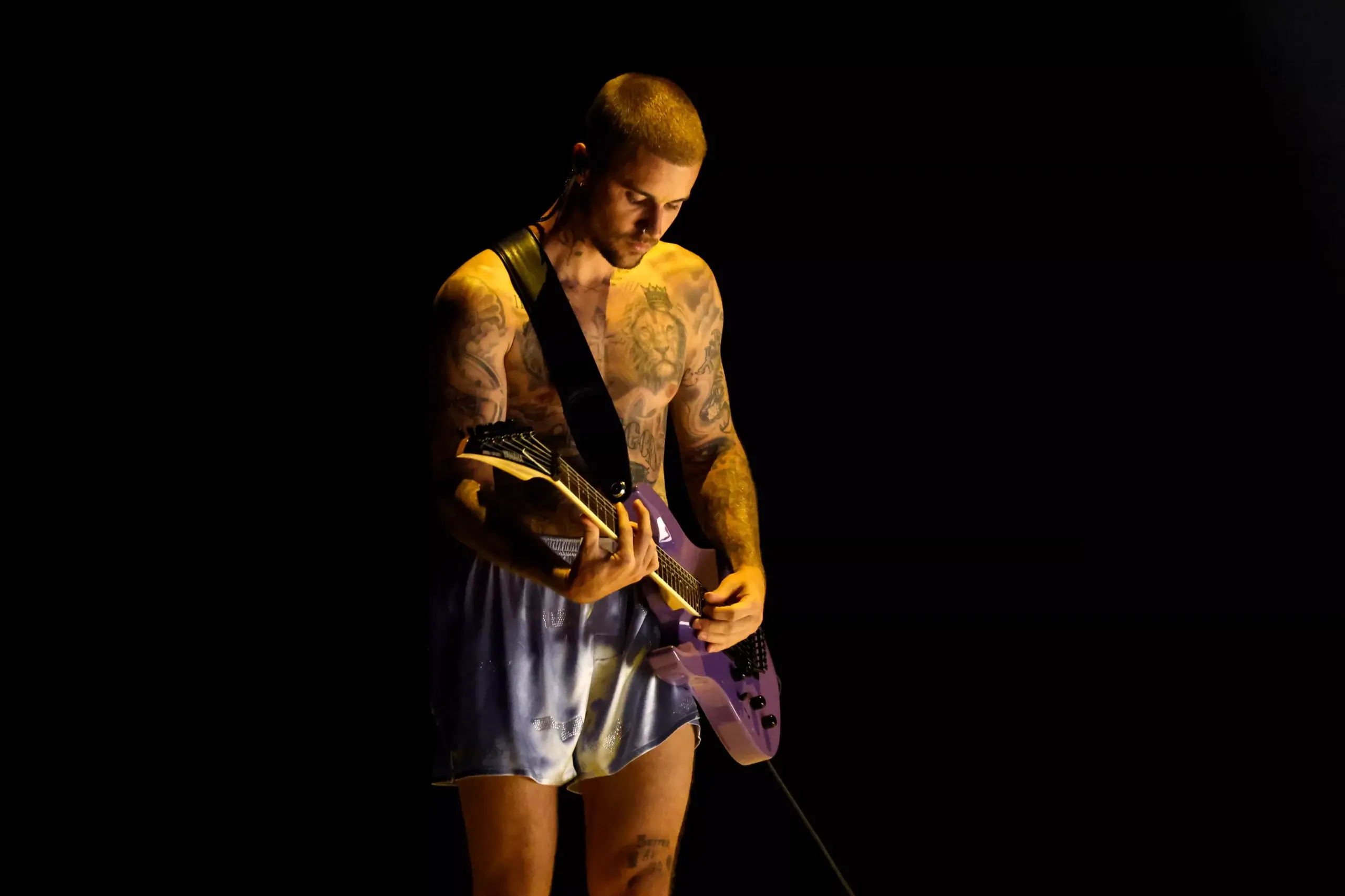
When Justin Bieber took the stage at Coachella in 2026, the festival had already been unofficially renamed "Bieberchella" by fans and media. The anticipation was immense, fueled by rumors of a record-breaking fee and a completely unconventional performance concept. Bieber delivered exactly that – a show that was less about traditional spectacle and more about a deeply personal, interactive journey through his own career, leveraging the very platform that launched him: YouTube.
A Record-Breaking Deal Without Middlemen
Details of Bieber's contract quickly emerged after the performance was announced. He commanded an estimated ten million US dollars for his headlining slot, making him the highest-paid single act in Coachella's history. What made the deal even more striking was that Bieber negotiated it without a traditional management intermediary. This move underscored his tight control over his brand and his willingness to bypass industry gatekeepers, a theme that resonated throughout the entire show.
The financial aspect was not just about ego. It represented a bet that Bieber's enduring popularity could draw massive crowds and justify the investment. The festival organizers reportedly saw the performance as a way to reinvigorate Coachella's image after a few years of shifting music trends. Bieber, for his part, seemed to treat the responsibility as an opportunity to redefine what a headline performance could mean in the age of digital nostalgia.
The Performance: A YouTube-Nostalgia Time Machine
Musically, the set was divided into two distinct halves. The first segment featured newer material, showcasing his more mature sound from albums like Justice and Changes. While these songs were well-received, the energy in the crowd noticeably shifted when the second half began. Bieber introduced what he called "the scroll" – a live, unscripted sequence where he pulled up his own YouTube channel history on a massive screen behind the stage.
The concept was daring. Instead of a pre-planned setlist, Bieber started playing old music videos from his channel and let the fans indirectly decide what came next by their real-time reactions. He started with One Time, then let the algorithm jump to Baby. The crowd erupted. Each video became an interactive moment, blurring the lines between past and present. Bieber sang along with his younger self, creating a surreal duet that spanned fifteen years.
One of the most poignant moments occurred when he played the Chris Brown cover of With You – the very song that had first brought him attention on YouTube in 2008, before Scooter Braun discovered him. Bieber stopped singing and let the video play, mouthing the words as tears welled in his eyes. The huge screen showed side-by-side shots of him then and now, underscoring the journey.
The performance also included injections of viral culture. A clip from a 2010 RTL broadcast showed Bieber famously walking into a glass door. Later, he incorporated the "it's not clocking to you" meme from a 2025 video, turning it into a call-and-response moment with the audience. Katy Perry, filming from the crowd, was heard joking, "Thank God he has YouTube Premium – I don't want ads." This self-aware humor permeated the evening.
Guest Appearances and the Missing Hits
Bieber did not rely heavily on guest stars. Dijon performed a new collaboration, and The Kid Laroi joined for Stay. However, the majority of the set remained centered on Bieber alone. This minimalist approach drew some criticism. Fans noted that he skipped several of his biggest hits entirely, including Sorry and Love Yourself – though the latter was briefly referenced during the YouTube scroll. The omission seemed intentional: Bieber was not interested in pleasing everyone; he wanted to tell his story on his terms.
This decision led to mixed reactions online. Many fans celebrated seeing Bieber so relaxed and joyful, especially after years of health struggles and public scrutiny. Others dismissed the show as lazy, pointing to the lack of choreography and the reliance on pre-recorded videos. The meme potential was enormous, with clips of Bieber watching his own videos quickly going viral for all the wrong and right reasons.
Historical Context: Bieber's Journey to the Desert
To understand the significance of "Bieberchella," one must look back at his career trajectory. Bieber was discovered on YouTube in 2008 at age 13. His rise was meteoric – My World 2.0 (2010) made him a teen idol, while Purpose (2015) transformed him into a global pop heavyweight. However, the years between 2013 and 2015 were marked by legal troubles, public meltdowns, and a near-collapse of his public image. His 2017 album Purpose tour was canceled early due to mental health reasons. He married Hailey Baldwin in 2018 and gradually withdrew from the relentless tour cycle.
Coachella 2026 marked his return to a major festival stage after a long hiatus. His last Coachella appearance was in 2017 as a guest during Kygo's set. The 2026 headliner slot was seen as a coronation – a chance to reclaim his throne in the pop world. But Bieber took the opportunity to do something more introspective: to acknowledge his past while controlling how it was remembered.
The performance also reflected a broader cultural shift. Audiences increasingly crave authenticity and interactive experiences. Bieber's YouTube-scroll gimmick resonated because it demonstrated vulnerability. He was not performing a polished, choreographed routine; he was reliving his own history in real time, with all its awkwardness and triumph.
Critical and Commercial Impact
Immediately after the festival, streaming numbers for Bieber's early catalog surged. Baby re-entered the Top 10 on Spotify Global, and One Time saw a 300% increase in daily streams. The performance sparked debate across social media about what constitutes a great live show. Bieber's approach was polarizing, but it generated conversation – which is often the true measure of success in the modern music landscape.
Industry insiders noted that the performance could open doors for other legacy artists to experiment with unconventional formats. "If Bieber can charge $10 million just to scroll through YouTube, what's next?" one agent was quoted as saying. The show also highlighted the power of nostalgia in a fragmented digital age, where older content is often as valuable as new releases.
For Bieber personally, the event seemed cathartic. He later posted on Instagram: "I needed to remind myself where I came from. That night was for the kid who recorded videos in a basement, never knowing what was coming." His wife Hailey shared behind-the-scenes footage of him nervously pacing before the set, then relaxing into the performance.
Reactions from the Festival Community
Other artists at Coachella weighed in. Addison Rae, during her earlier DJ set, had playfully declared she was "only here for Bieber." Billie Eilish watched from the side of the stage and was seen mouthing along to Never Say Never. Even traditional critics who panned the show admitted it was memorable. "It wasn't a concert – it was an art installation," wrote one reviewer. "Bieber turned his own life into the exhibit."
Some remarked that the performance would likely be remembered more for its concept than its musical execution. In an era where every headline act tries to outdo the last with pyrotechnics and guest lists, Bieber's stripped-down approach felt both brave and risky. But it also fit perfectly with his current persona: a mature artist comfortable enough to look back without shame.
The name "Bieberchella" was originally a joke, but it stuck. It encapsulated the sense that Bieber had not only headlined but owned the weekend. His presence dominated media coverage, and his performance became the most talked-about moment of the festival.
Looking ahead, speculation immediately began about a potential Bieber tour in 2027. He had hinted at new music during interviews before Coachella, and the performance served as a de facto album teaser. Whether he will replicate the YouTube-scroll format on a stadium level remains unclear. For now, "Bieberchella" stands as a singular event in pop history – one that questioned the very nature of a live show and succeeded in making the audience feel like they were on the journey with him.
Source: Musikexpress News